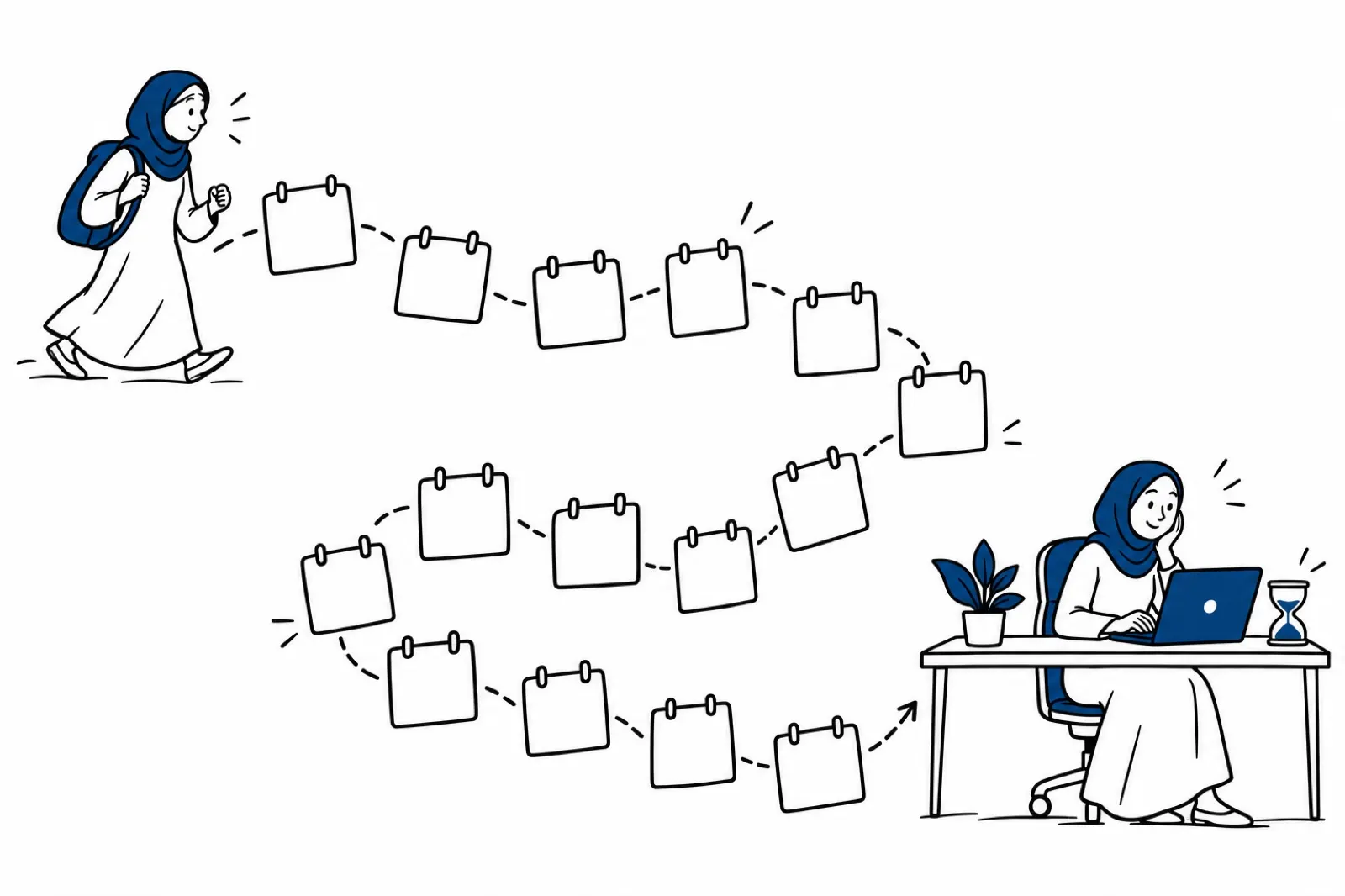
Recruitment is a race against market opportunity. A 60-to-90-day hiring cycle is a quarter of lost productivity you chose.
This is the protocol we run to take a remote professional from search to productive team member in 14 days, with contracts, security and payroll handled inside the same window.
Why a slow process is the risky one
Speed gets mistaken for carelessness. In practice, a long hiring process is the symptom of fragmented operations, and it costs you the best candidates. Strong professionals in this region hold multiple offers. A process that drags into week six invites ghosting.
There is also the zero-risk bias: adding interview rounds in the hope of eliminating uncertainty. It never does. Round five of interviews tells you little that round three did not, while signaling indecision to the candidate. A structured protocol replaces intuition with evidence, and a pre-existing pipeline turns a reactive search into a planned deployment.
Speed done properly is a trust signal. Candidates read a fast, organized process as a company that knows what it wants. Slow processes read as risk.
Days 1 to 4: build the pipeline and vet in parallel
The 14-day window is won or lost in the first 96 hours.
The role matrix replaces the job description
Generic job descriptions produce generic hires. Before we search, we build a role matrix with you: the tech stack, yes, but also the remote-readiness requirements of the position. Part of that is the asset audit, verifying the candidate’s own hardware meets minimum enterprise standards for processing power, stability and security.
Vetting runs in parallel, never in series
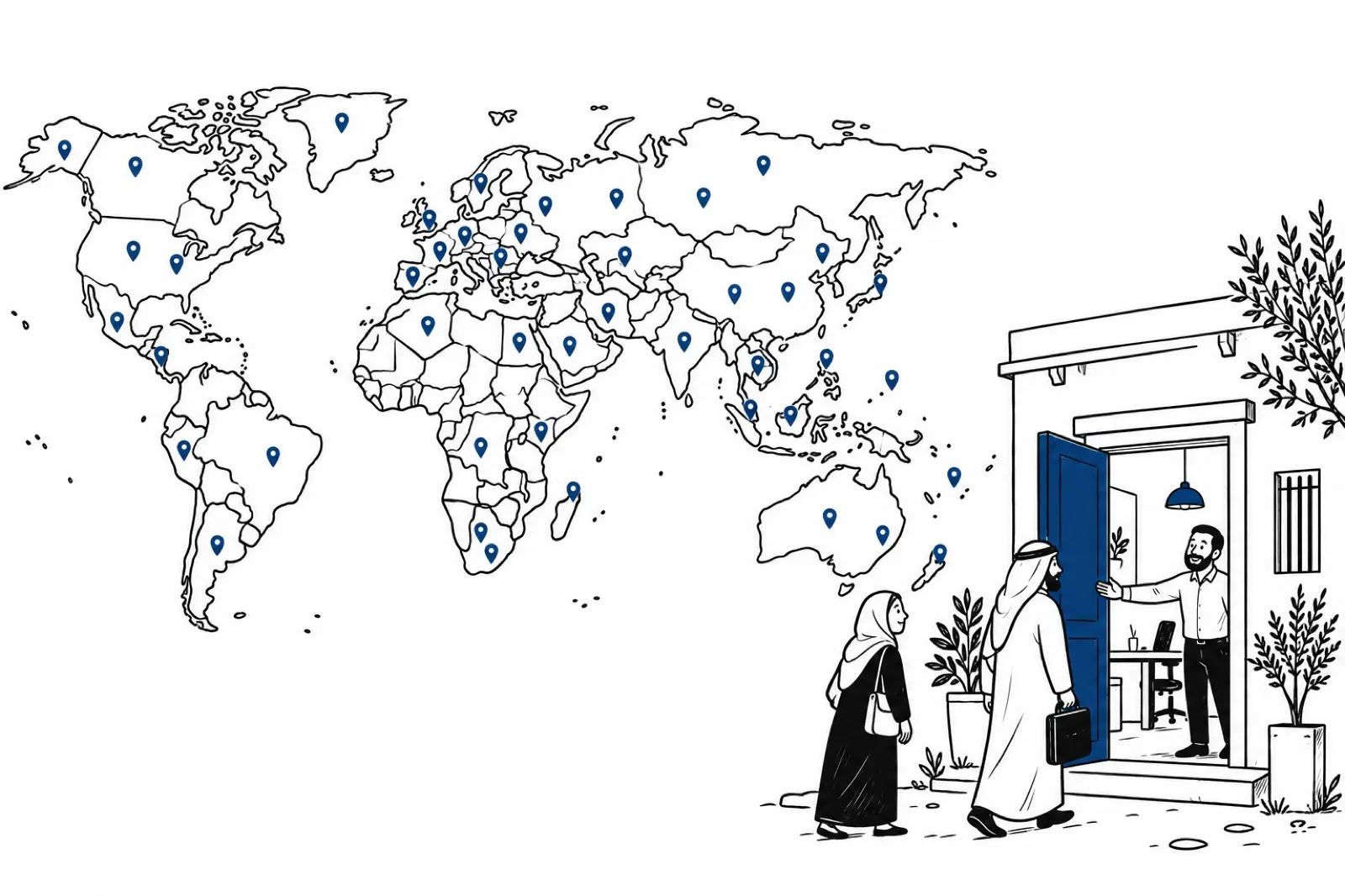
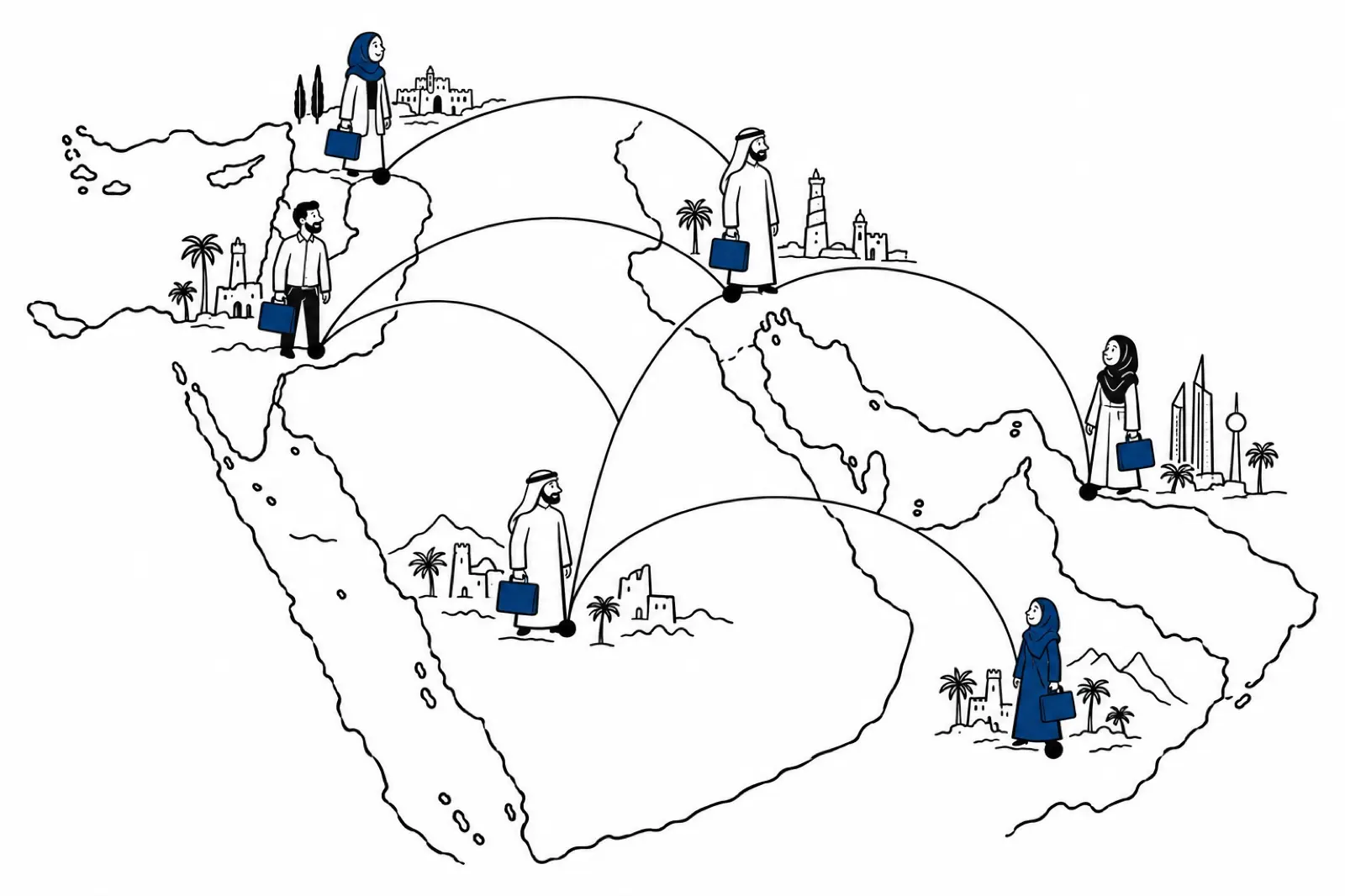
Technical leads assess code quality and architecture skills while operational leads assess communication habits and the candidate’s ability to maintain a secure workspace. Reference checks and background verification run inside this same phase, on days 3 to 5. Because our strategic remote hiring pools in Syria and Turkey are screened before you ever open a role, we start from a pool, not from a job board. The bottleneck in most remote hiring is exactly this cold start, and we removed it by keeping regional talent reservoirs warm.
Days 5 to 9: validate with evidence, not impressions
By day 5 the pipeline has narrowed to the top 3 to 5%. Now the question changes from “can they talk about the work” to “can they do the work.”
Hiring for an office is about presence; hiring for remote is about output. Interviews look for evidence of execution: a documented history of delivering with the candidate’s own resources, without a manager in the next room.
The resume is a marketing document. The simulation is a work sample. Each finalist gets a paid, time-bound task that mirrors real daily responsibilities, which doubles as a stress test of their hardware under enterprise workloads. Paying for the task matters: it respects the candidate’s time and it tells you how they behave in a real commercial arrangement. The sprint looks like this:
- Day 5: shortlist presented.
- Days 6 to 7: behavioral and technical interviews.
- Day 8: paid real-world task simulation.
- Day 9: final review and verbal offer.
Days 10 to 14: contracts and a hardened device
This is where traditional recruitment fails. The hire is made but never integrated. We treat the last five days as operational handover.
Contracts in 48 hours, through the EOR
Setting up a local entity to employ someone in Syria or Turkey takes months. Through Remotya’s Employer of Record model, contracts are ready in 48 hours, with statutory compliance and social security alignment from day 1.
The device gets secured, not shipped
Because professionals use their own assets, days 12 and 13 go to virtual provisioning. Our technical team creates an encrypted container on the device that separates corporate data from personal files, provisions VPN, multi-factor authentication and zero-trust access, and audits redundancy: backup power (UPS) and a secondary internet connection. The full mechanics of this setup are covered in our zero-touch IT onboarding post.
Day 14 is a working day
The goal is zero-day integration. On the morning of day 14, the professional logs into a secure environment, opens the sprint board and starts contributing. No waiting for a laptop in customs.
What you receive at the end of the protocol is not just a person. It is a managed, secured node in your operation: the hardware belongs to the employee, but the software environment is corporate-licensed, the data is encrypted and access is monitored to global security standards. Hiring without this layer is a security gap with a start date.
Payroll runs on time, in local currency
Late or complicated payment is the fastest way to lose a good hire in this region. We centralize payroll, taxes and statutory benefits into a single interface, so the professional is paid on time in their local currency. That reliability is a primary driver of long-term retention.
The 14-day checklist
- Day 2: role persona finalized, talent pipeline activated.
- Day 5: first-round vetting and asset audit complete.
- Day 10: contract compliance and labor law alignment verified.
- Day 12: virtual workspace setup and security hardening started.
- Day 14: employment agreements executed, full team integration.
Your next hire does not need to take a quarter. Book a discovery call and receive your first shortlist in 48 hours.
Questions readers ask
How do we hold the 14-day target for highly specialized roles?
We maintain standing talent reservoirs in technical clusters across MENA. Because we already know the technical level and asset readiness of these professionals, the search starts warm, not cold.
Does Remotya provide the hardware?
No. Professionals use their own high-spec devices. Remotya adds the virtual security layer that brings a personal device up to enterprise standards, a model we call Managed BYOD.
Does the protocol include background checks and reference calls?
Yes. Reference checks and background verification run in parallel with technical vetting, on days 3 to 5. Speed never replaces compliance.
What happens if the employee's device fails?
During vetting we verify a secondary business continuity plan for every hire: backup hardware or access to a technical support hub within their regional cluster, for example in Syria or Turkey.