
Insights
What running teams in Damascus for Gulf clients teaches us
Straight answers to the questions we hear on every call: the law, payroll, power and internet, and what a hire really costs.

Arabic-speaking staff versus a Riyadh support wage
Arabic-speaking support from Damascus against a Riyadh wage: language fit, the returning-from-Gulf pool, and why the MHRSD remote-work track does not apply.

What a Damascus developer costs against Riyadh
A 2026 Damascus guide and the Riyadh tables disagree on software developer pay. Read the bands before a Saudi company budgets the hire.

Power cuts, 4G, and the case for a hosted desk in Damascus
State power in Damascus now runs five to six straight hours before a cut. What that means for a remote hire, and how a hosted desk removes the risk.
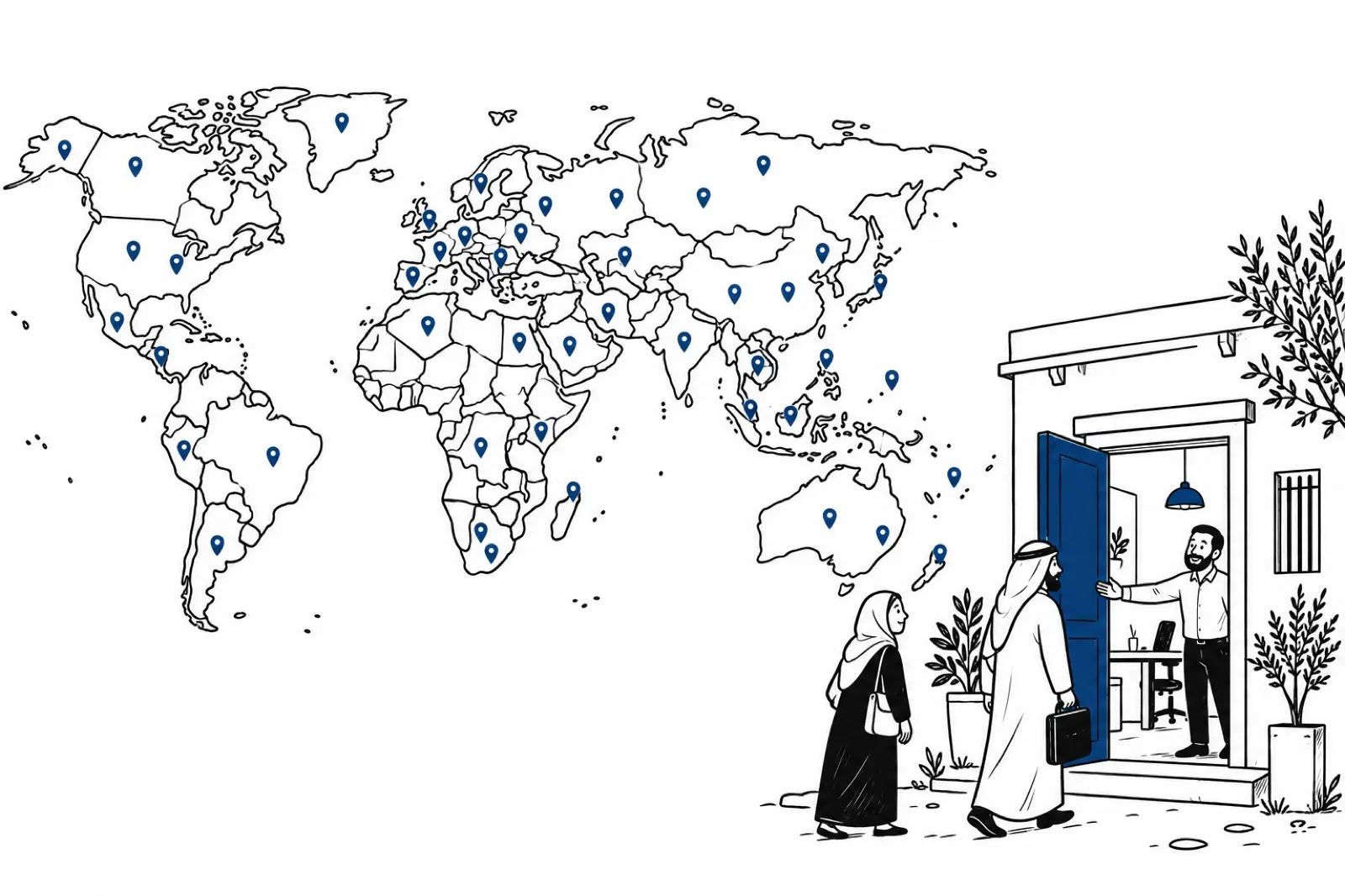
Why global EOR platforms still skip Syria
Deel's help center, updated 16 July 2026, still lists Syria as unavailable. A GCC company needs a Syrian employer on the contract instead.

Nitaqat counts Qiwa contracts, not a Damascus payroll
From 15 April 2026 Nitaqat reads Qiwa contracts. Staff employed in Damascus are not on that file, and not on the ministry remote-work service.
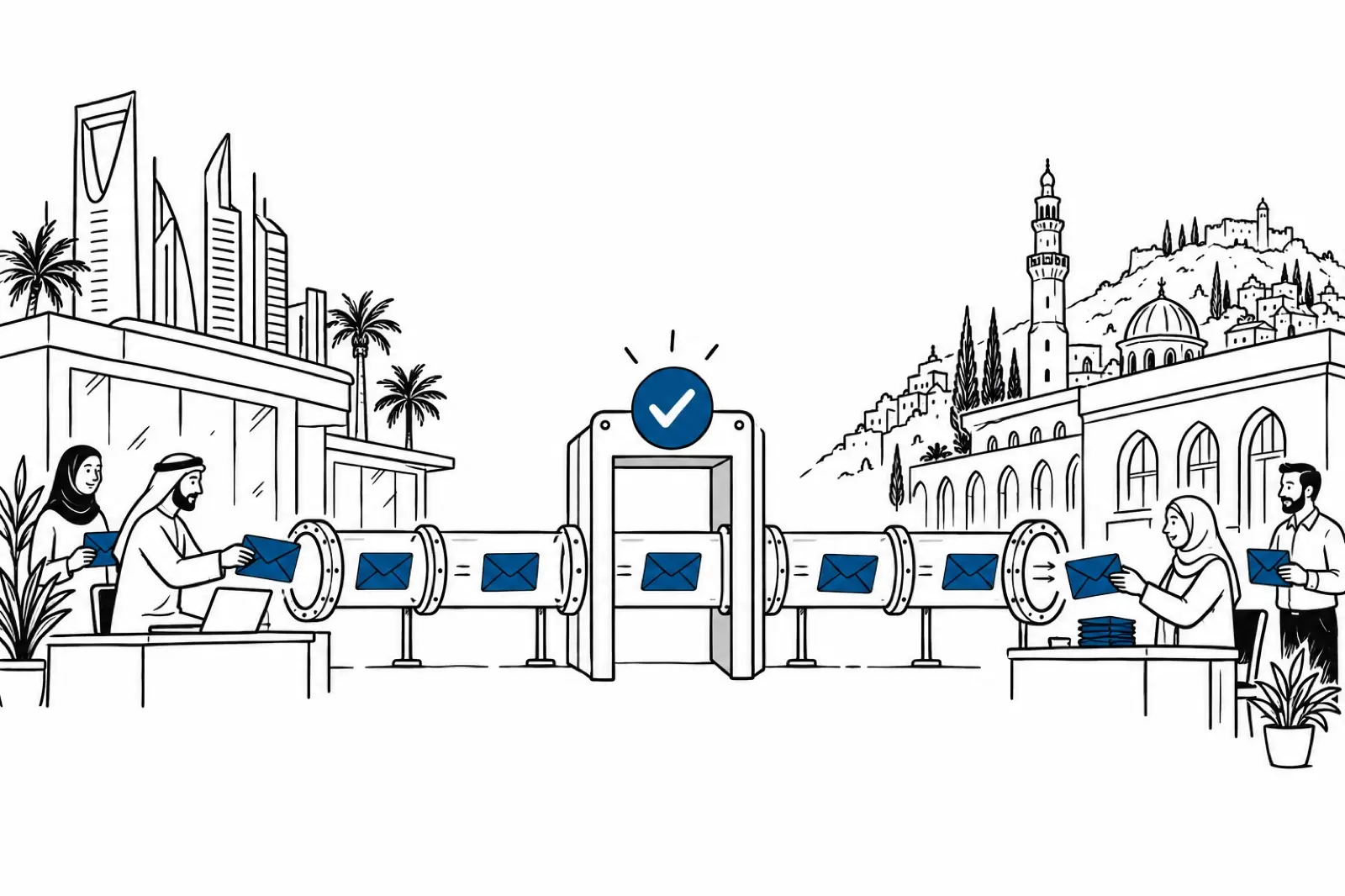
How a Gulf company actually pays a salary inside Syria
Platform payouts into Syria do not arrive. The compliant route is a local employer running payroll in country while you receive one monthly invoice.
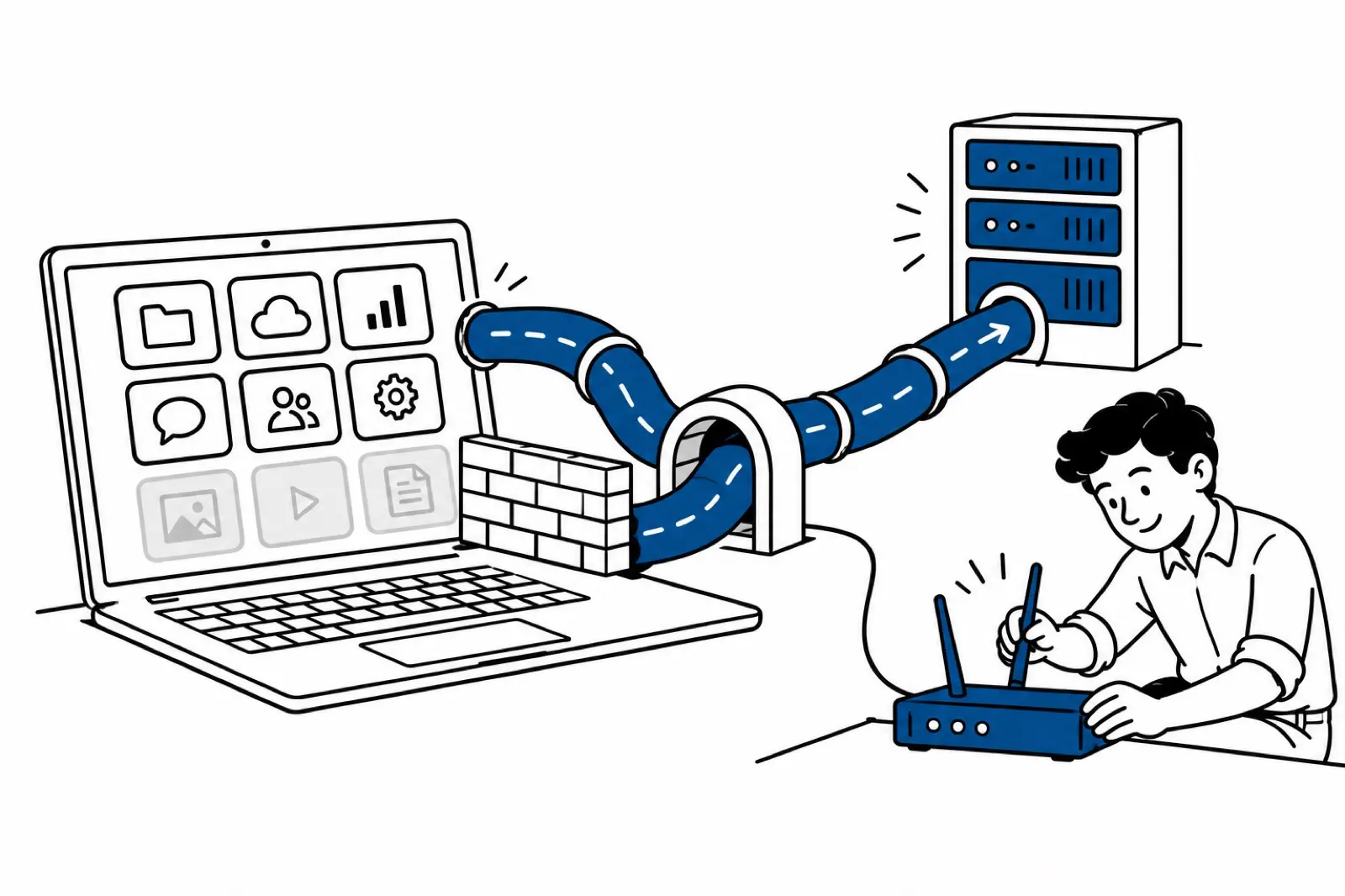
Which work tools fail on a connection inside Syria
GitHub, Slack and npm have needed workarounds on Syrian connections. What fails, city by city and tool by tool, and how managed IT keeps a team working.

What changed in Syria sanctions on 1 July 2025
On 1 July 2025 Executive Order 14312 ended the Syria Sanctions Program. GCC firms still hire through a Syrian employer, not a payment workaround.

The Syrian social insurance rate depends on who you ask
The official Syrian guide, ISSA and a Damascus payroll card give three different employer rates. Here is what each source says, and how to budget it.

What Syrian labour law puts in the employment contract
Syrian labour law in the employment contract: Arabic or bilingual text, a 48-hour week, two months' notice, end-of-service award and social insurance.

Managed office space pays for itself in remote team uptime
Home offices fail at scale. See how managed office spaces cut downtime, pass client security audits and pay for themselves for remote teams in MENA.
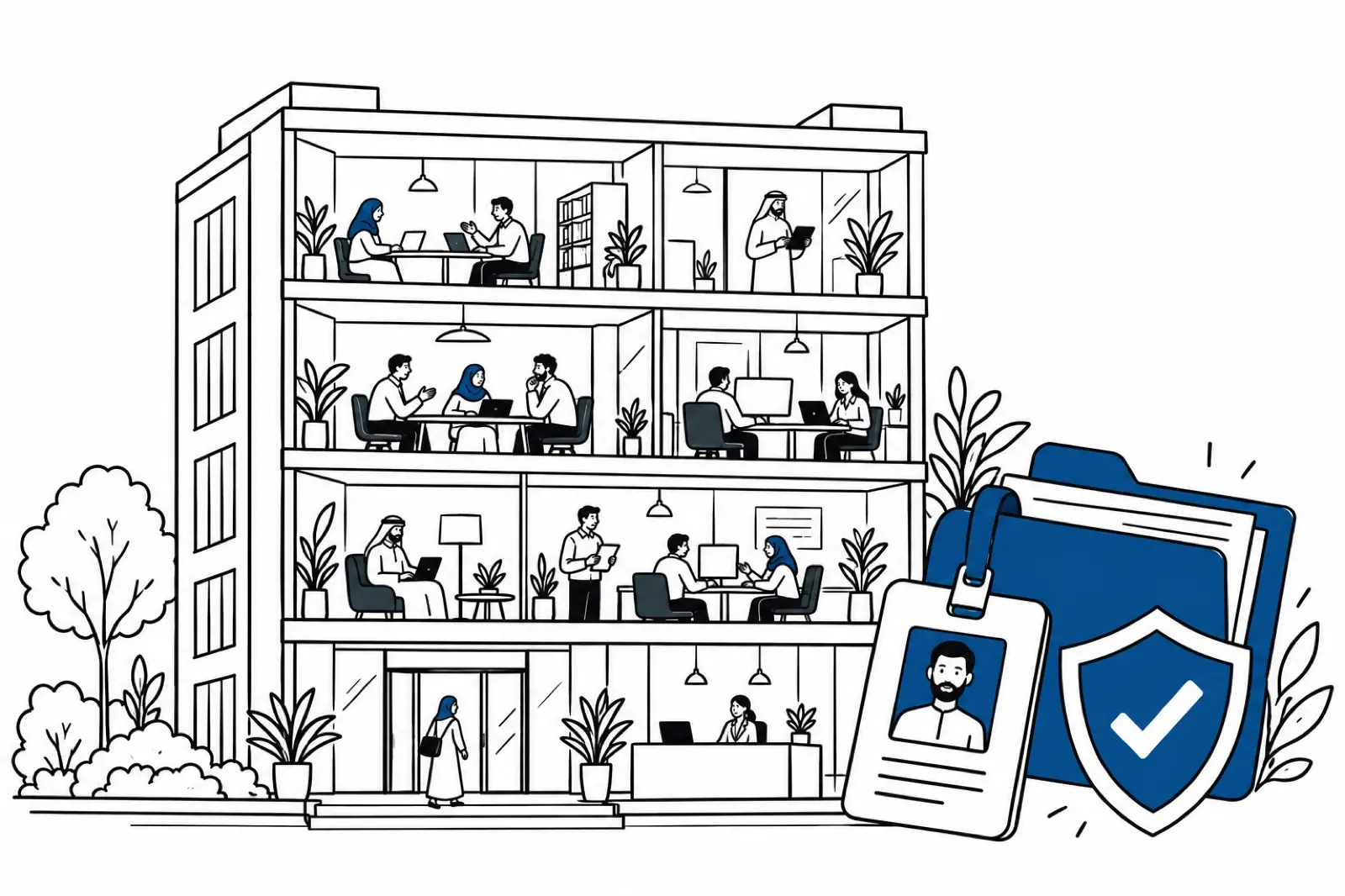
Employee hosting: your team needs more than a legal contract
An EOR handles payroll. Employee hosting adds the desk, backup power, secure internet and local compliance that remote teams in MENA actually need.
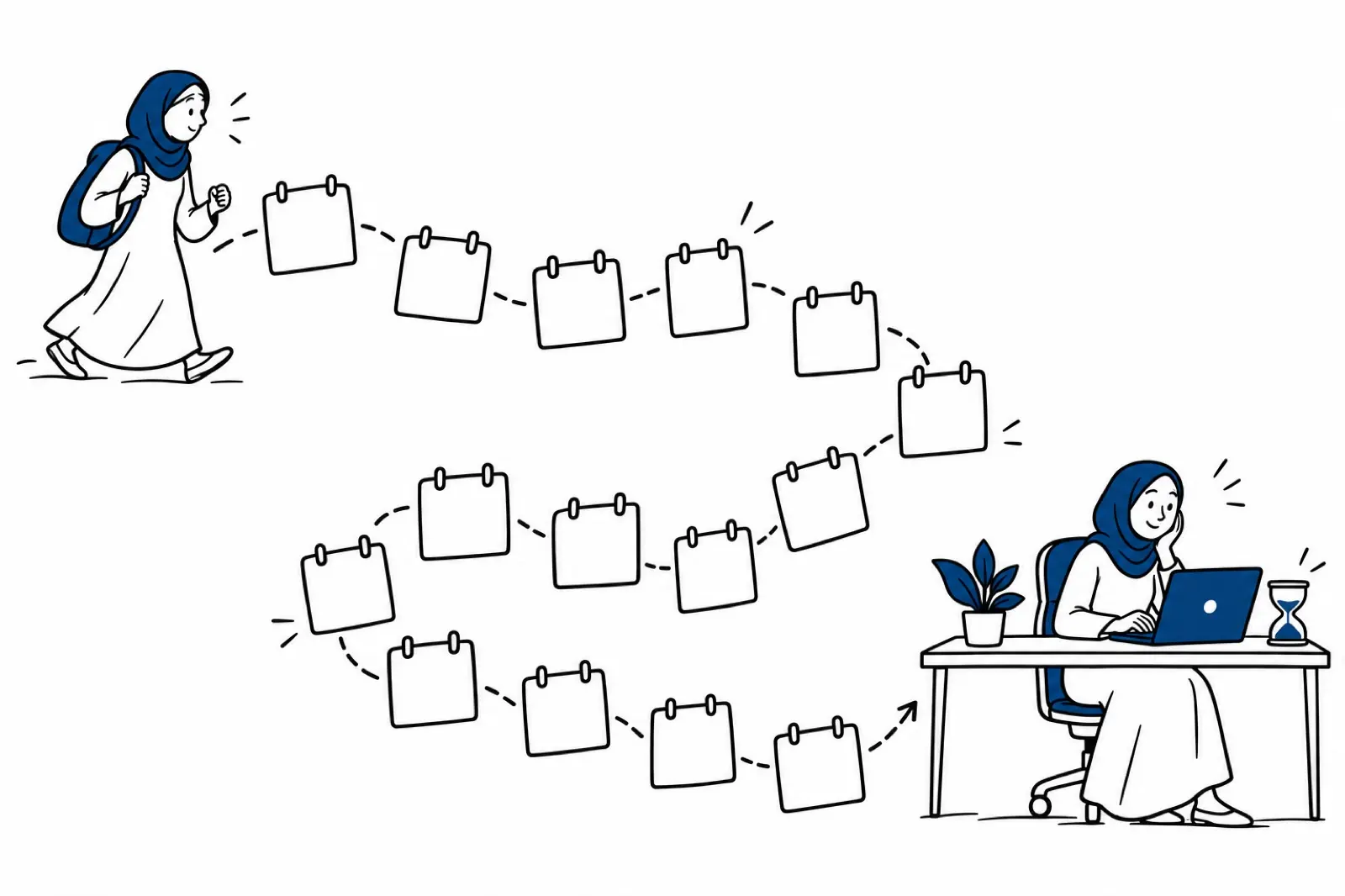
Hire remote professionals in 14 days, not 90
A 14-day hiring protocol for the Middle East: pre-vetted talent, paid task simulations, EOR contracts in 48 hours and a secured device by day 14.
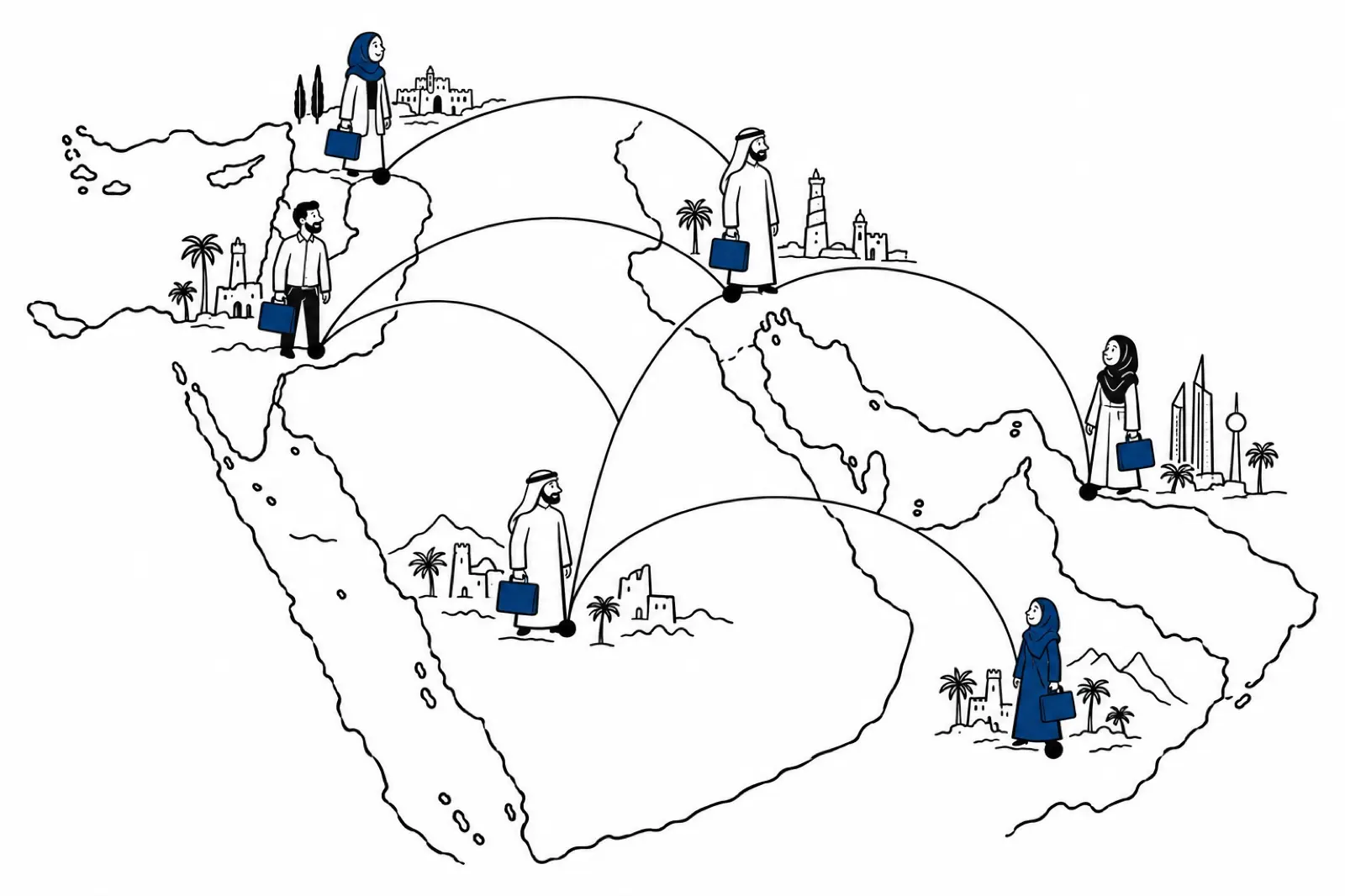
Middle East hiring is an operations problem, not a recruiting one
Recruitment is the easy part. How an operational layer of EOR, managed IT and logistics makes Middle East hiring work for mid-market and enterprise teams.

Physical vs virtual office: what the lease really costs you
A lease locks capital; a managed operational layer keeps it free. Compare the real costs of physical and virtual offices for growing firms in 2026.

Operational debt is what stalls remote scale
Manual cross-border hiring runs 30 to 45 days. Remotya employs the person in Syria, readies the laptop before day one, and pays them on one payroll run.

A 14-day virtual onboarding process that holds
How a Middle East hire is onboarded in 14 days: an EOR contract, tool access 48 hours early, a UPS and bandwidth audit, then a first billable task.
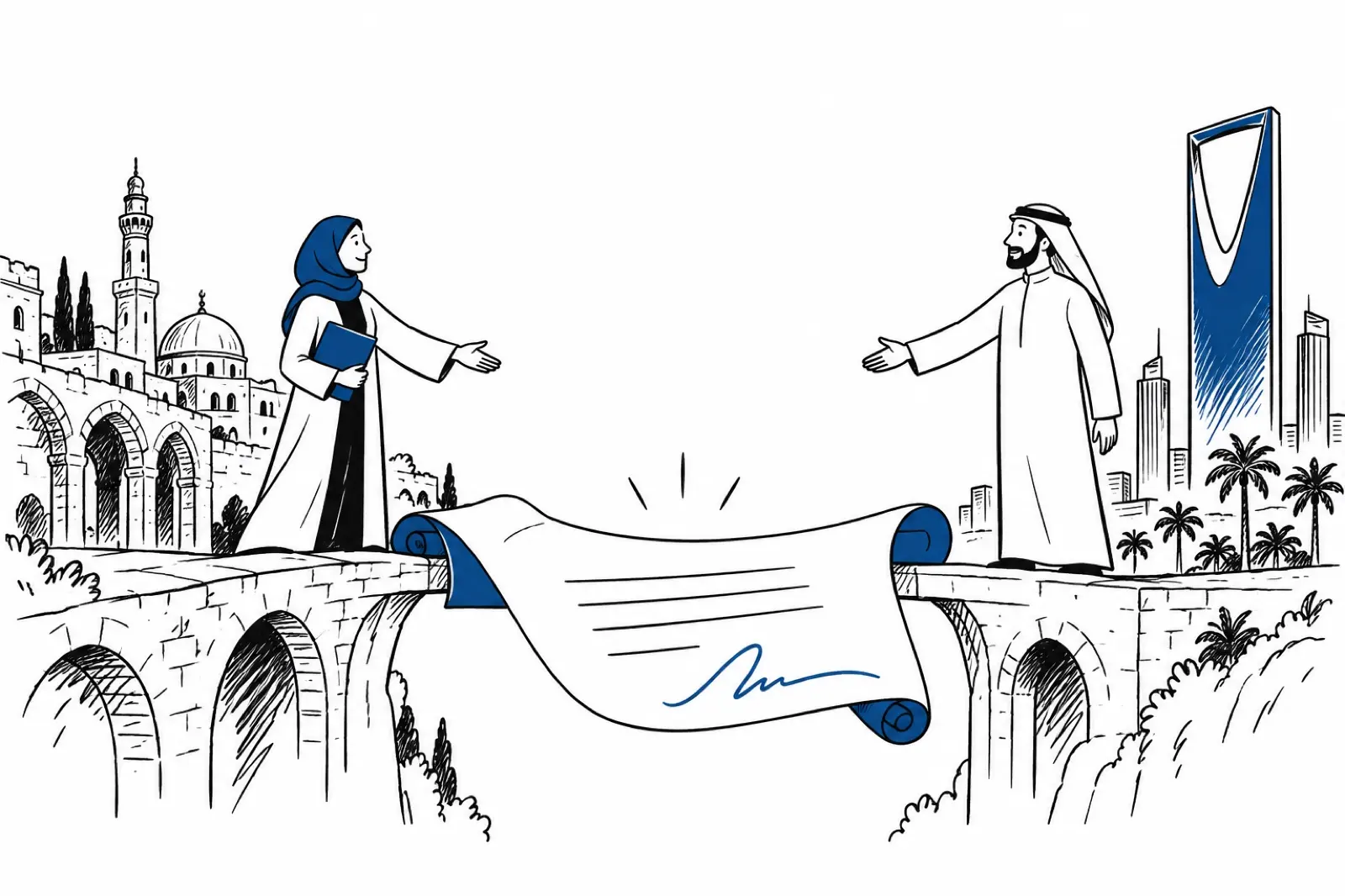
An employer of record lets you hire without a local entity
An employer of record employs your hire under Remotya's Syrian entity, runs payroll and local labour law, and leaves day-to-day direction with you.

Remote employees quit when the job feels temporary
Remote staff in the Middle East leave over shaky contracts, outages and isolation. A real employment setup is how Remotya holds 89% at 12 months.

Zero-touch onboarding makes a device work-ready on day one
Zero-touch IT onboarding provisions accounts, MFA and a secure workspace on a hire's own device at first login, without shipping laptops.
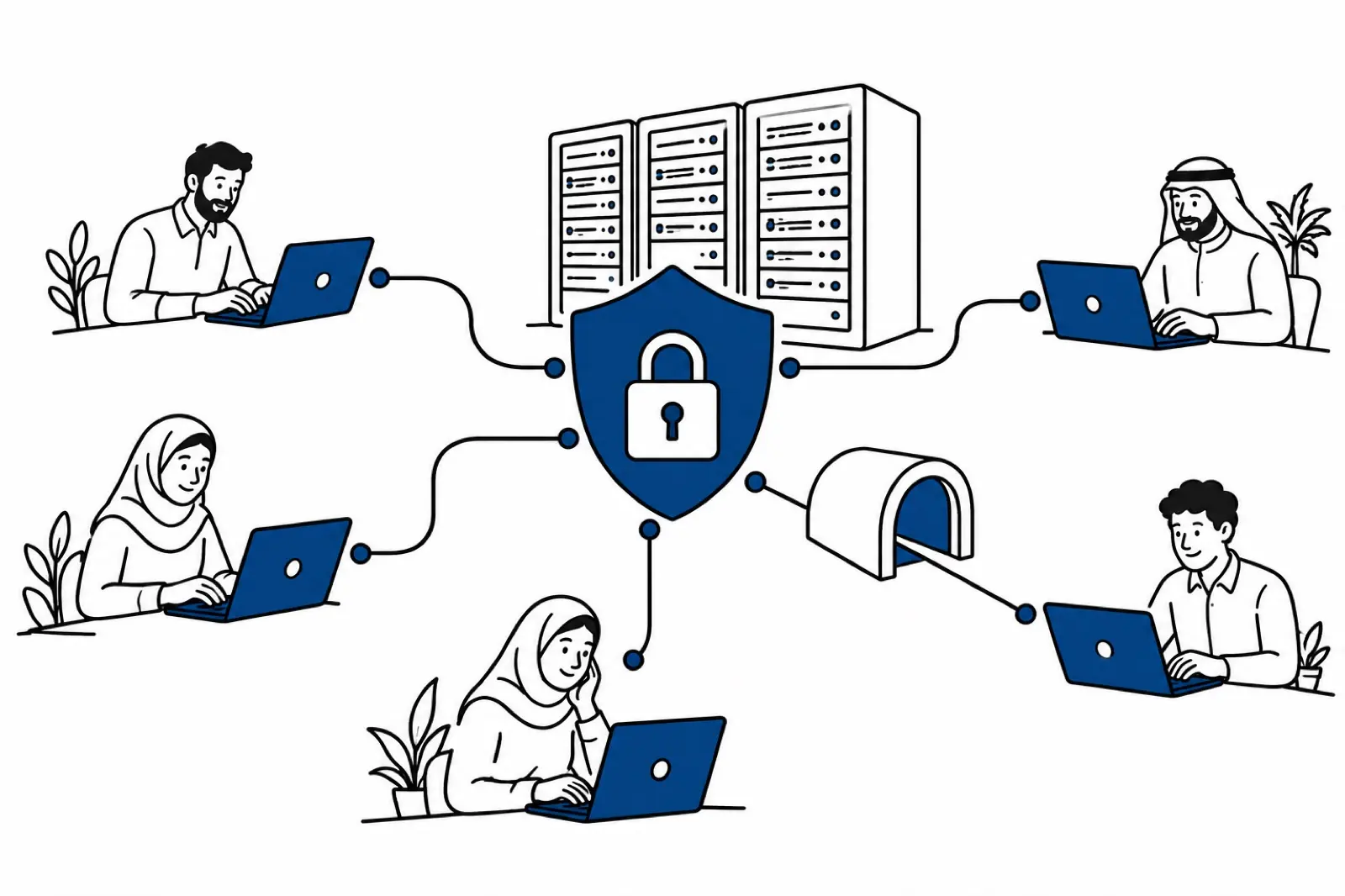
Cybersecurity for remote teams starts at the device, not the office
The office perimeter is gone. How managed BYOD, zero-trust access and encrypted work containers protect a distributed team's data across MENA.

A home office breaks once the team grows
Five people can move a task when the power drops. At 50, that habit becomes lost days. Remotya hosts the team with backup power and a second line.

Remote teams fail on systems, not on talent
Decision lag, ping fatigue and lost context are system failures, not talent failures. The operating model we use to build remote teams that stay fast.

Proactive IT support stops the outage first
A ticket after the crash is already late. Remotya watches device health, patches on local hours, and keeps Syria and GCC teams online through power cuts.
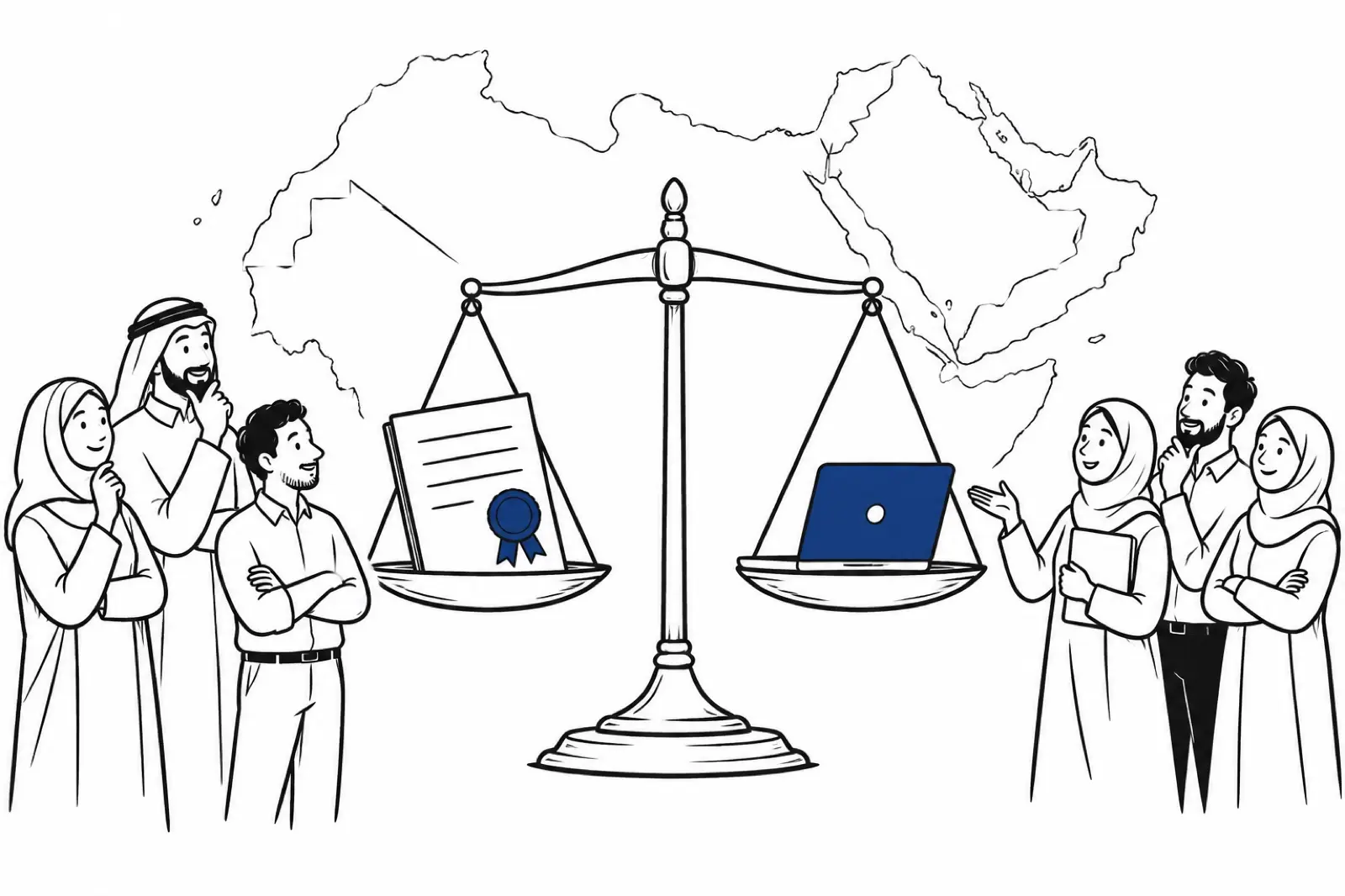
Middle East remote work compliance is a debt that compounds
Regulatory debt compounds like technical debt. How to hire in Turkey and Syria compliantly with an EOR, local contracts, payroll and audit-ready records.