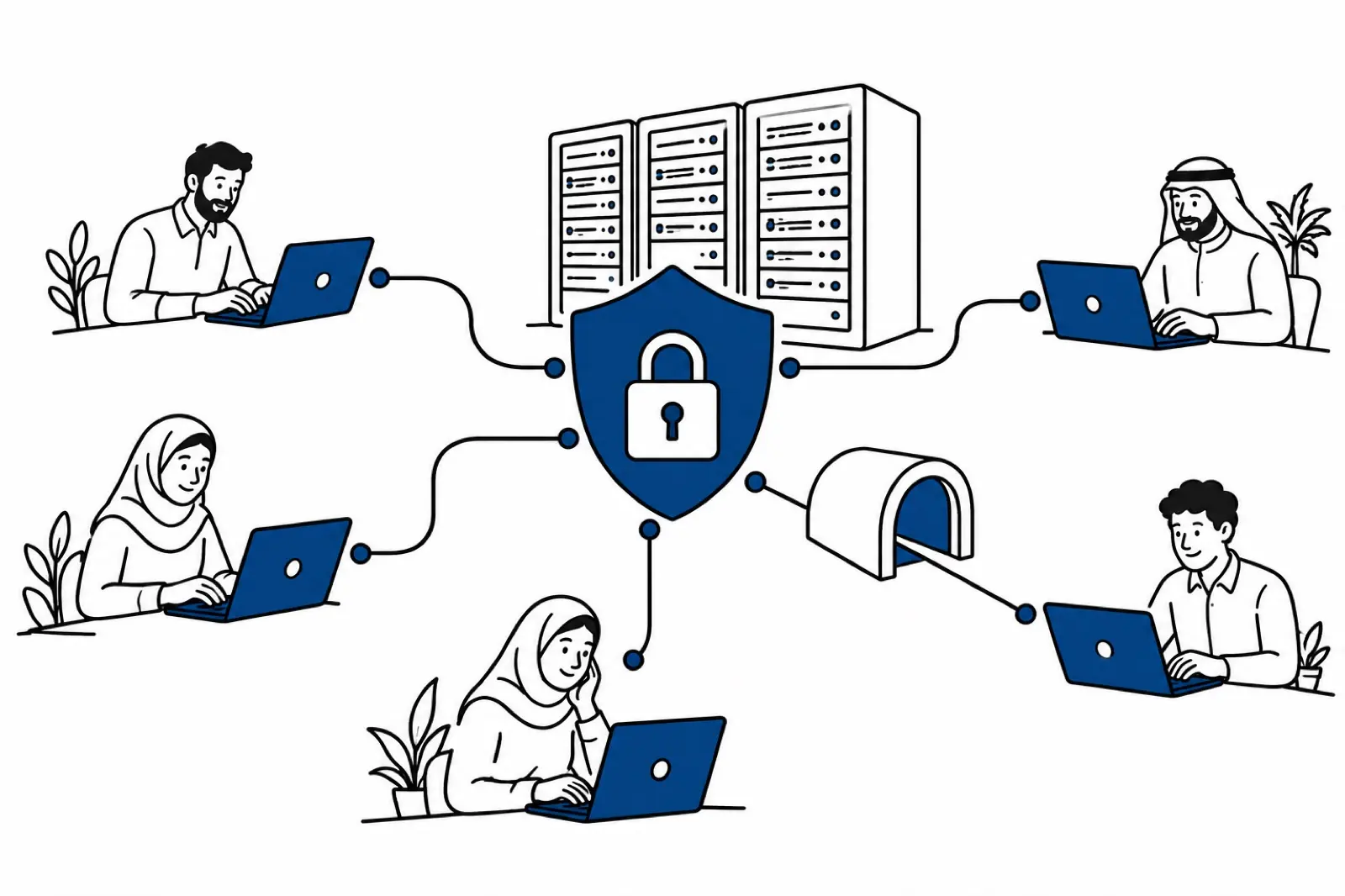
The question buyers actually ask us is not about firewalls or policy papers. It is this: will Slack and GitHub open for my hire in Syria? The honest answer is that it depends on the city, the network and the week, and anyone who gives you a flat yes or no has not looked at the reports from the ground.
Here is what is actually known, and what we do about it for the teams we run.
4G reaches the main cities, at 5 to 15 Mbps on a good link
The baseline first. A 2026 Syria connectivity guide reports that Syriatel and MTN run 4G in Damascus, Aleppo, Homs, Hama, Latakia and Tartus. A good 4G link in the capital is described as about 5 to 15 Mbps. That is workable for email, docs and most SaaS dashboards. It is tight for large file transfers and miserable for a day of back-to-back video calls.
The same guide adds two details that matter more than the speed number. Some VoIP services and a rotating list of sites are blocked or throttled. And fixed-line outages follow the power grid, so when a district loses electricity, its landlines and the routers on them go down together. Your hire’s ADSL is only as reliable as the neighbourhood transformer.
Coverage is a real achievement, and the cities named above have it. Stability is a different question, and the answer changes block by block.
A 2 Mbps ADSL line in Homs cannot carry a daily meeting
Now the ground reports, which are blunter. In a Reddit thread on working remotely while in Syria, one person described a family ADSL line in Homs at 2 Mbps, too unstable for a daily meeting. Two megabits is not a remote-work connection. It is a connection for text.
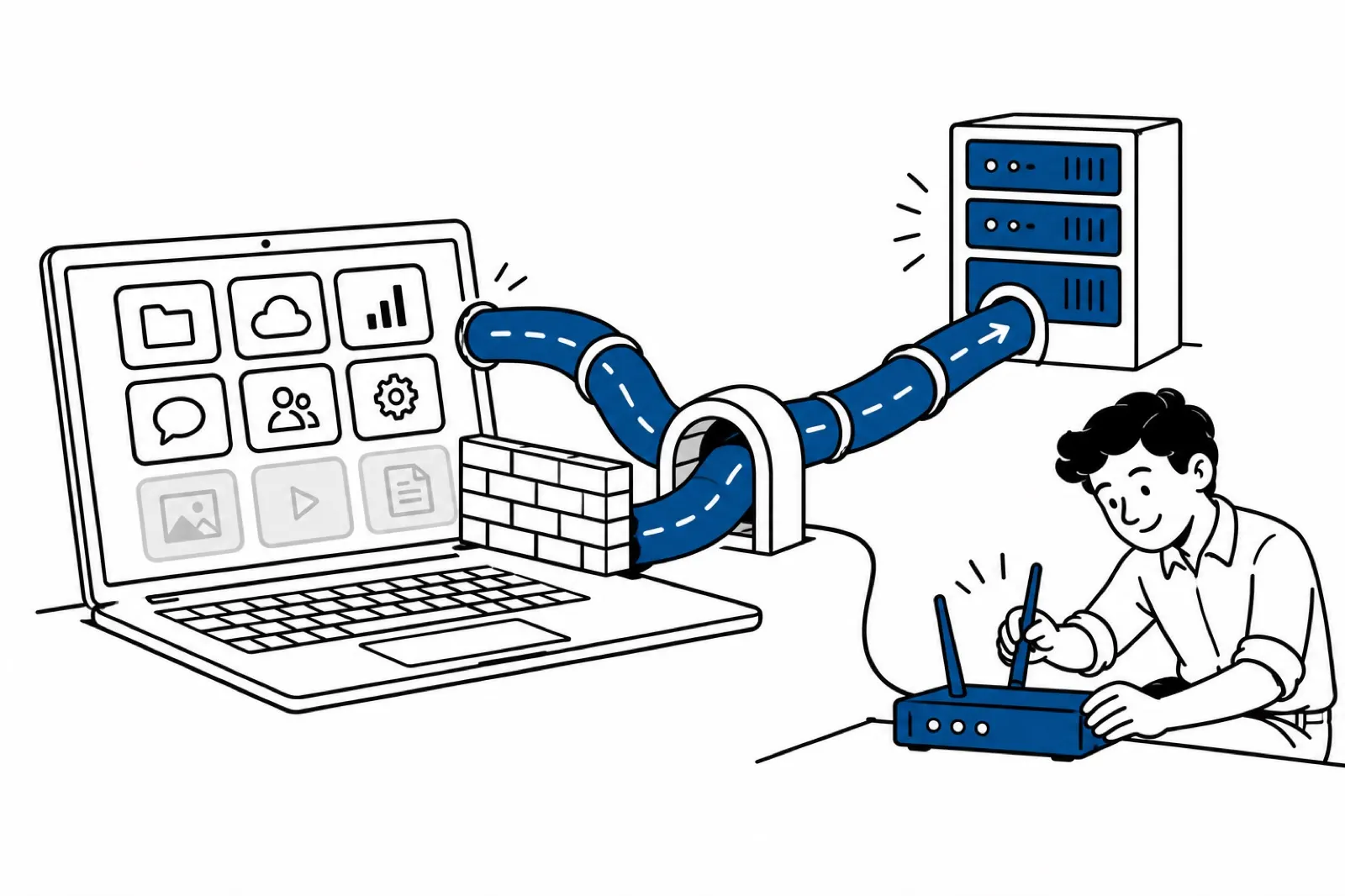
The same thread reported that GitHub, Slack and npm needed a VPN at that time. Read the weight of that for a software team. Your code host, your chat and your package registry, the three tools a developer touches every hour, all unreliable on a plain connection. This is one report, at one point in time, and access conditions shift. But it is the kind of thing your hire will not tell you on day one, because they want the job.
The good reports come with a cost and a caveat
To keep this honest: the same thread carried better news. One person in Damascus said Google Workspace worked with a VPN. Another reported 100 to 120 Mbps on Damascus 4G, at a high data cost. Treat both as individual reports, not a national average. A hundred megabits is real fiber-class speed, and if your hire happens to sit on the right tower at the right hour, their day looks nothing like the Homs ADSL story.
That spread is the finding. A connection inside Syria can be 2 Mbps or 120 Mbps, blocked or open, depending on the city, the carrier, the building and the week. You cannot hire into that variance and manage it with hope.
Before you sign, ask who owns the tool problem
If you are comparing partners for a Syria hire, the tooling question separates operators from payroll shops. Four questions, and the answers tell you everything:
- Where does the person physically work, and on whose connection?
- Who buys the software licences, and in whose name?
- When a tool stops opening at 9:40 on a Sunday morning, the start of the Gulf workweek, who fixes it, and by when?
- If the engagement ends, what happens to your data on that device?
A payroll provider answers the first one with “the employee works from home” and goes quiet on the rest. An operator answers all four before you finish asking, because the questions describe its building, its procurement and its own service clock. If the partner cannot say whose network your hire sits on, the block-list risk described above is being priced into your team without being priced into the contract.
Ask the questions early. The answers are much harder to change after the contract than before it.
A workaround is not an IT policy
When a tool stops opening, the employee’s instinct is to improvise: a personal VPN, a phone hotspot, a relative’s account, whatever gets the screen to load. Each improvisation is a small decision made by someone who is not accountable for your data, on software you did not approve, often against the terms of the tools involved. Stack enough of them and your security posture is whatever your newest hire happened to download.
We do not recommend workarounds, and we do not build client teams on them. The compliant route is boring on purpose: properly licensed software, procured through channels that work, running on a managed network, with access problems owned by an IT function instead of by the person trying to do their job.
One line, because this post touches on restrictions: this is general information, not legal advice.
Managed IT turns the question from “will it open” to “it is already open”
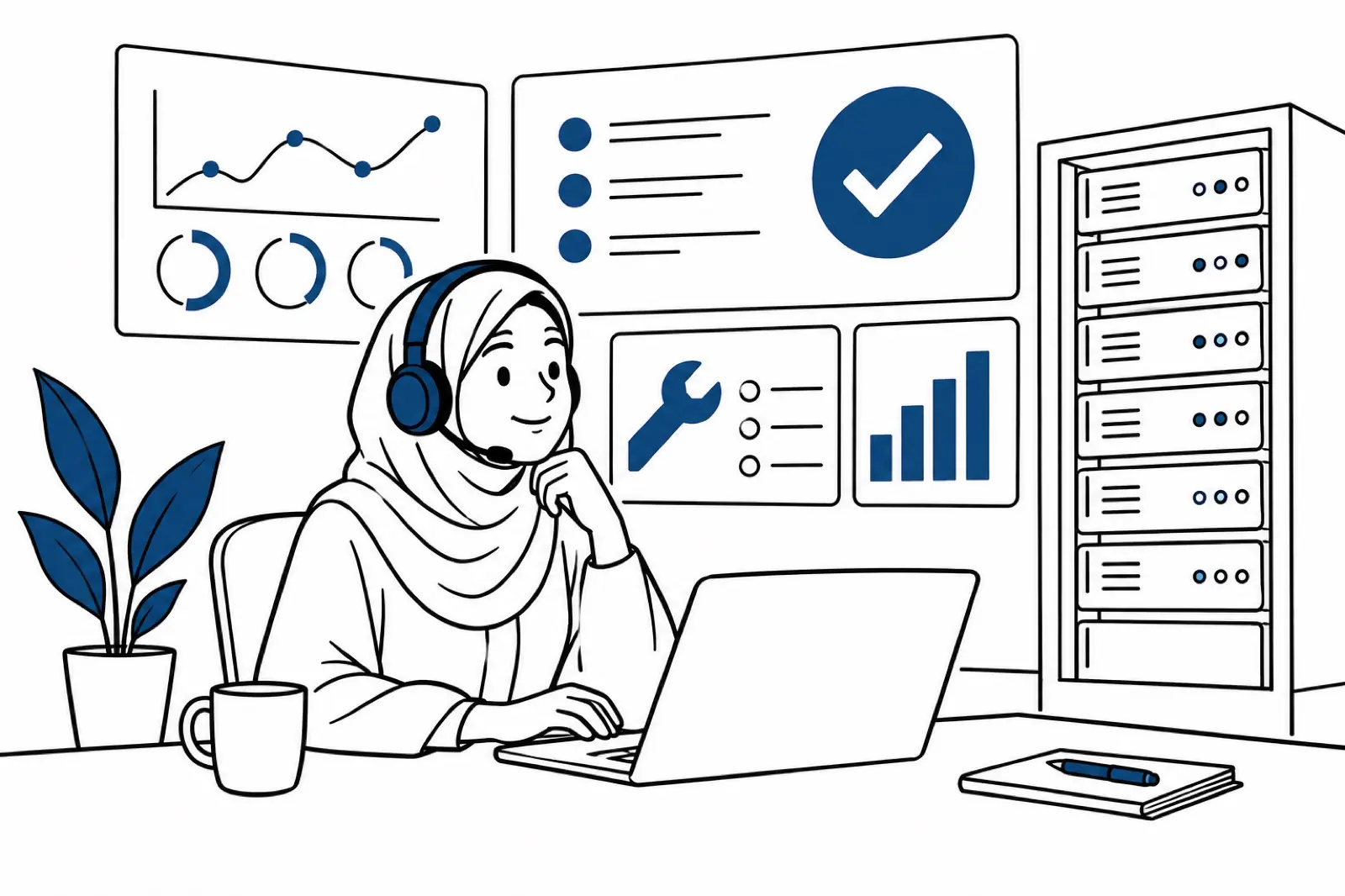
This is the work managed IT operations exists to absorb. In Remotya’s Damascus offices, the network is ours to run: provisioned lines, managed access to the tools your team uses, devices we configure and patch, and IT staff on site who see a failing connection before your standup does. Your hire walks in, sits down, and the tools open. That is the entire product.
What we will not do is just as short a list. No bundled VPN subscriptions sold as a fix. No shared accounts across client teams. No licence keys of unclear origin because they were cheaper this month. If a tool cannot be run properly for a client, we say so in the discovery call and propose the compliant alternative, before anyone signs.
The discipline behind it is the same one we apply to downtime generally, covered in proactive IT support and the cost of downtime, and to the wider question of securing a remote team’s stack in infrastructure and cybersecurity for remote teams. None of it is exotic. It is procurement, configuration and monitoring, done by people whose job it is, in a building where the connectivity question was answered before the first hire arrived.
If you are weighing a Syria team and the tooling question is the one holding you back, that is exactly the conversation to have with us. Book a discovery call and bring your stack list. We will tell you, tool by tool, how we keep it running.
Sources
Questions readers ask
Do Slack and GitHub work in Syria?
Reports from people working remotely inside Syria are mixed. In one widely read thread, users said GitHub, Slack and npm needed a VPN at that time, while Google Workspace worked with one. Treat these as individual reports, not a national rule. The blocked list rotates.
How fast is internet in Damascus for remote work?
A 2026 connectivity guide describes a good 4G link in the capital at about 5 to 15 Mbps, while one Damascus user reported 100 to 120 Mbps on 4G at a high data cost. Fixed lines follow the power grid, and outages take them down with it.
Is 4G available outside Damascus?
Yes. Syriatel and MTN run 4G in Damascus, Aleppo, Homs, Hama, Latakia and Tartus. Speeds and stability vary by city and by the state of local power.
How does Remotya handle blocked or unstable tools?
Through managed IT operations: procured and licensed software, a managed network in our Damascus offices, and on-site IT that resolves access problems before your team notices them. You do not ask your hire to improvise.